Address-specific local context
Identify address-specific water, drainage, slope, noise, traffic, construction, fire, environmental or insurance questions relevant to the Mayland Heights property; do not generalize an exposure to every home.
 MAYLAND HEIGHTSHOMESReal Estate Partners · Real Broker
Call or email Dusko directly, or use the secure consultation form so the right team member can prepare for your question.
Dusko remains the primary agent. The wider Real Estate Partners team can add search, marketing and operational support around the move.
For buyers, that may be an address, financing range and property concern. For sellers, it may be timing, improvements, documentation and the next move.
The Mayland Heights context: 1,105 occupied private dwellings were reported as single-detached houses in the 2021 Census profile (42%); 610 apartments in buildings with fewer than five storeys represented another 23%. From there, the conversation can focus on the individual home, current alternatives and your timing.
Identify address-specific water, drainage, slope, noise, traffic, construction, fire, environmental or insurance questions relevant to the Mayland Heights property; do not generalize an exposure to every home.
Confirm the current municipal land-use designation, permit history, approved plans and any nearby application for the exact Mayland Heights address.
Review the current title and applicable registered instruments, easements, caveats, liens, encumbrances and plans with qualified legal advice.
Set inspection scope from the property's actual age, construction type, systems, renovations, site and known disclosures; a community profile is not a property inspection.
Share the property forms that fit—such as established detached housing, renovated and substantially updated homes, and attached or infill options—plus financing range, timing and any address already under review. Single-detached house: 1,105 occupied private dwellings (42%) in the 2021 Census profile.
Share the property type, improvements, documents and intended timing. Frontage, orientation, land use, build quality, effective age and surrounding redevelopment often matter more than one community-wide average. Apartment or flat in a duplex: 290 occupied private dwellings (11%) in the 2021 Census profile.
Name the exact concern. The Mayland Heights working list currently includes land-use and development context, permit and effective-age history, and site orientation and neighbouring projects, each of which needs property-level confirmation. Identify address-specific water, drainage, slope, noise, traffic, construction, fire, environmental or insurance questions relevant to the Mayland Heights property; do not generalize an exposure to every home.
Mayland Heights is an inner-city market where established housing, renovation and redevelopment can create distinct comparison sets on neighbouring streets. The first comparison and verification prompts are established detached housing and land-use and development context; the consultation can turn those community signals into an address-specific work plan. Apartments in buildings with fewer than five storeys: 610 occupied private dwellings (23%) in the 2021 Census profile.
Put renovated and substantially updated homes and attached or infill options beside the routes, services, amenities and location relationships identified in the local evidence. Then resolve permit and effective-age history for the address instead of treating the community description as property evidence. Inner-city routes and services: Inner-city routes and services. This is part of the everyday Mayland Heights experience; the distance and route still depend on the address. Obtain property-specific insurance advice early enough to understand coverage, exclusions, deductibles and conditions before waiving an insurance condition.
Share the address and the question you want answered first. The team can prepare before following up.
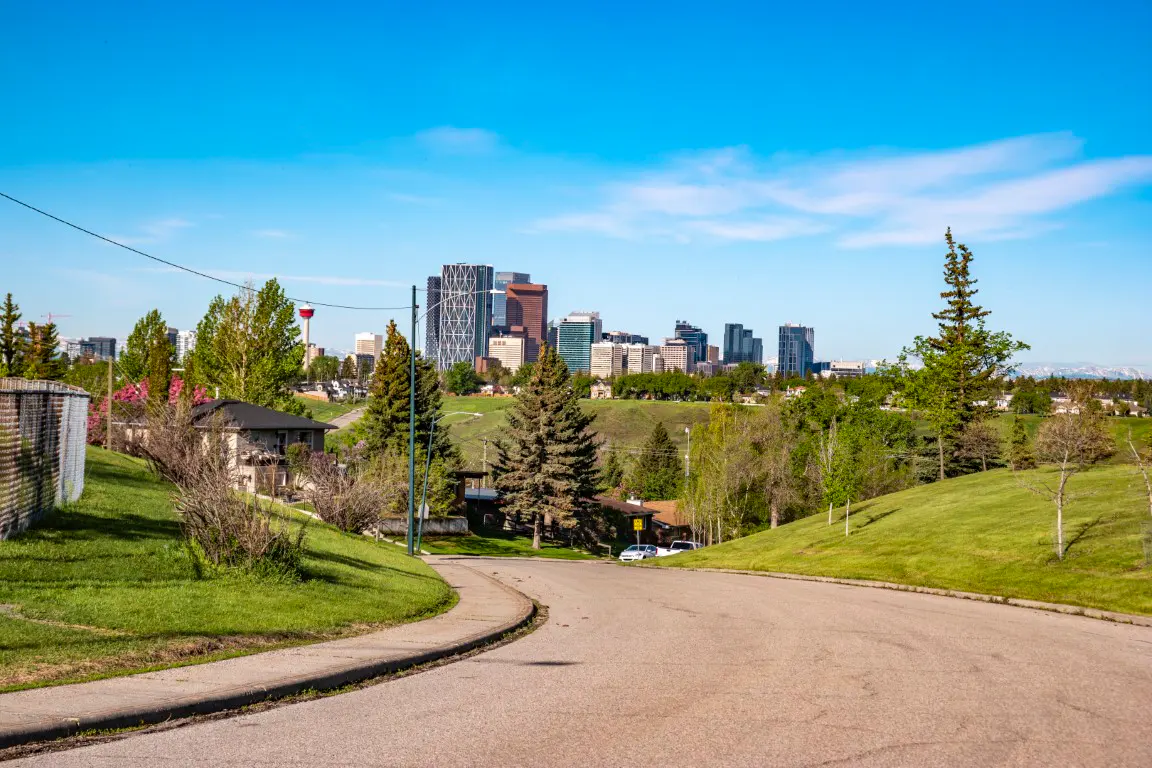
Mayland Heights is an established northeast inner-city Calgary community with detached homes, attached housing and low-rise apartments, plus meaningful variation in elevation, route exposure and redevelopment potential. The City of Calgary's 2021 Census profile counted 5,925 people in private households and 2,645 private households in the community. Single-detached homes represented 42% of occupied private dwellings and apartments in buildings under five storeys represented 23%; 61% of occupied dwellings in that historical profile were built from 1961 to 1980. Buyers should distinguish a renovated detached home from an original property, a redevelopment site or a condominium, then verify permits, slope and drainage, foundations, building systems, parking, title and immediate surroundings. Dusko Sremac leads the Real Estate Partners relationship for Mayland Heights, supported by the broader team. Current pricing should be established property by property rather than from a single neighbourhood average.
Exact community-profile evidence is used for this guide. Historical Census context, current listing status and address-specific property evidence remain separate layers.
Historical community evidence, current listing status and address-specific property records remain separate layers throughout the guide.
See sources and methodology →Mayland Heights is an inner-city market where established housing, renovation and redevelopment can create distinct comparison sets on neighbouring streets. This record turns the community file into route-specific work while keeping the subject property and current professional advice separate.
Which Mayland Heights property form, ownership structure and completion stage fit the intended use and budget? For this consultation brief, use that evidence to state the buyer's actual trade-off before selecting a search or tour plan. Read it beside: The profile counted 5,925 people in private households across 2,645 households, with an average household size of 2.2 people. Comparison checkpoint: Bridgeland/Riverside. Compare a nearby urban market with a larger apartment, condominium and infill component. Current listing status still belongs to the approved live record.
Lead with the real differentiators of the Mayland Heights property: site, effective age, documented improvements, layout, ownership structure and immediate setting. Applied to the consultation brief, the evidence helps identify the seller document or improvement record that should be gathered first. Read it beside: Distinguish a feature inside the mapped community from one that is nearby, planned or accessible only from particular streets or phases. Comparison checkpoint: Winston Heights/Mountview. Compare an adjacent established community with detached-home, infill and redevelopment choices. Condition and legality still require the documents and review appropriate to the property.
Identify address-specific water, drainage, slope, noise, traffic, construction, fire, environmental or insurance questions relevant to the Mayland Heights property; do not generalize an exposure to every home. Within the consultation brief, its job is to name the address-level record or specialist needed after the initial call. Read it beside: Apartments in buildings with fewer than five storeys: 610 occupied private dwellings (23%) in the 2021 Census profile. Comparison checkpoint: Vista Heights. Compare the adjacent northeast community with similar-era housing and different industrial- or route-edge conditions. A lender or mortgage professional must decide how the actual property affects financing acceptance.
The profile counted 5,925 people in private households across 2,645 households, with an average household size of 2.2 people. The consultation brief should use this record to keep the community observation separate from a conclusion about the subject home. Read it beside: Compare a nearby inner-city community with stronger infill and redevelopment activity. Comparison checkpoint: Renfrew. Compare a nearby inner-city community with stronger infill and redevelopment activity. Community context cannot establish value for the subject home.
2,475 residents aged five and older had moved within the prior five years (44%); that is household-mobility context rather than a proxy for real estate turnover. Here, the practical use is to turn the claimed location benefit into a route, access or operating-status check. Read it beside: Census population, household, tenure, dwelling-form and construction-period context. Publisher record: The City of Calgary. Comparison checkpoint: Bridgeland/Riverside. Compare a nearby urban market with a larger apartment, condominium and infill component. A named source supports only the claim and geography recorded for it.
1,105 occupied private dwellings were reported as single-detached houses in the 2021 Census profile (42%); 610 apartments in buildings with fewer than five storeys represented another 23%. Carry this into the consultation brief to classify the property form before comparing price, condition or ownership cost. Read it beside: Vista Heights — Compare the adjacent northeast community with similar-era housing and different industrial- or route-edge conditions. Comparison checkpoint: Winston Heights/Mountview. Compare an adjacent established community with detached-home, infill and redevelopment choices. A comparison relationship does not make two properties or communities equivalent.
Compare the adjacent northeast community with similar-era housing and different industrial- or route-edge conditions. For the consultation brief workflow, use it to explain why a nearby community is or is not a useful current alternative. Read it beside: Coordinate photography, floor plans, video, mapping, listing copy, search pages, team distribution and inquiry follow-up around one accurate property narrative. Comparison checkpoint: Vista Heights. Compare the adjacent northeast community with similar-era housing and different industrial- or route-edge conditions. Historical evidence must not be presented as current inventory or operating status.
Census population, household, tenure, dwelling-form and construction-period context. Publisher record: The City of Calgary. The next step in the consultation brief is to attach the source and its limitation to any factual statement used in the advice. Read it beside: Confirm the survey or real property report, encroachments, compliance questions, access and utility rights for the subject parcel. Comparison checkpoint: Renfrew. Compare a nearby inner-city community with stronger infill and redevelopment activity. The paired records define the next question; they do not settle the property conclusion.
Compare the community, the type of home and the property-specific details in the order that makes sense for your move.
Use the Mayland Heights buyer guide to organize the property form, timing, financing and unresolved address-level questions.
Explore →02Use the seller guide to gather improvement records, property documents, timing and the intended next move before the consultation.
Explore →03See how community context, live listing status, market periods and property-specific conclusions are kept separate.
Explore →Start with the practical questions, then open the detailed guide that matches the property or decision in front of you.
Share the property forms, financing range, timing, priorities and any address already under review. Which Mayland Heights property form, ownership structure and completion stage fit the intended use and budget?
Share the property type, major improvements, available documents, timing and intended next move. Lead with the real differentiators of the Mayland Heights property: site, effective age, documented improvements, layout, ownership structure and immediate setting.
Identify address-specific water, drainage, slope, noise, traffic, construction, fire, environmental or insurance questions relevant to the Mayland Heights property; do not generalize an exposure to every home. Bring the address so the community-level question can be separated from the title, document, condition or specialist file.
Call 587-355-1774 or email info@prpty.ca. Dusko Sremac is the primary agent for this site. The wider Real Estate Partners by Real Broker team supports the relationship with coordinated search, marketing and operational capacity.
Census population, household, tenure, dwelling-form and construction-period context
Open official source ↗02Property ResearchThe City of Calgary · accessed 2026-08-26Address-level permits, land use and planning records
Open official source ↗03Purchasing a new homeGovernment of Alberta · accessed 2026-09-12Provincial guidance on purchase contracts, land titles, property reports and home inspections
Open official source ↗Official records provide dated community context. Current listing status and conclusions about one property still require the applicable live record and property documents.
Dusko Sremac is the primary contact, backed by Real Estate Partners by Real Broker.